Is It Worth It to Pressure Wash Your House? Pros and Cons
Keeping your home clean on the outside is just as important as keeping it clean on the inside. Over time, dirt, mold, and grime build up on your home’s exterior. This leads many homeowners to ask: Is it worth it to pressure wash your house?
In this article, we’ll break down the pros and cons of Pressure Washing so you can decide if House Pressure Washing is the right choice for your home.
What Is Pressure Washing?
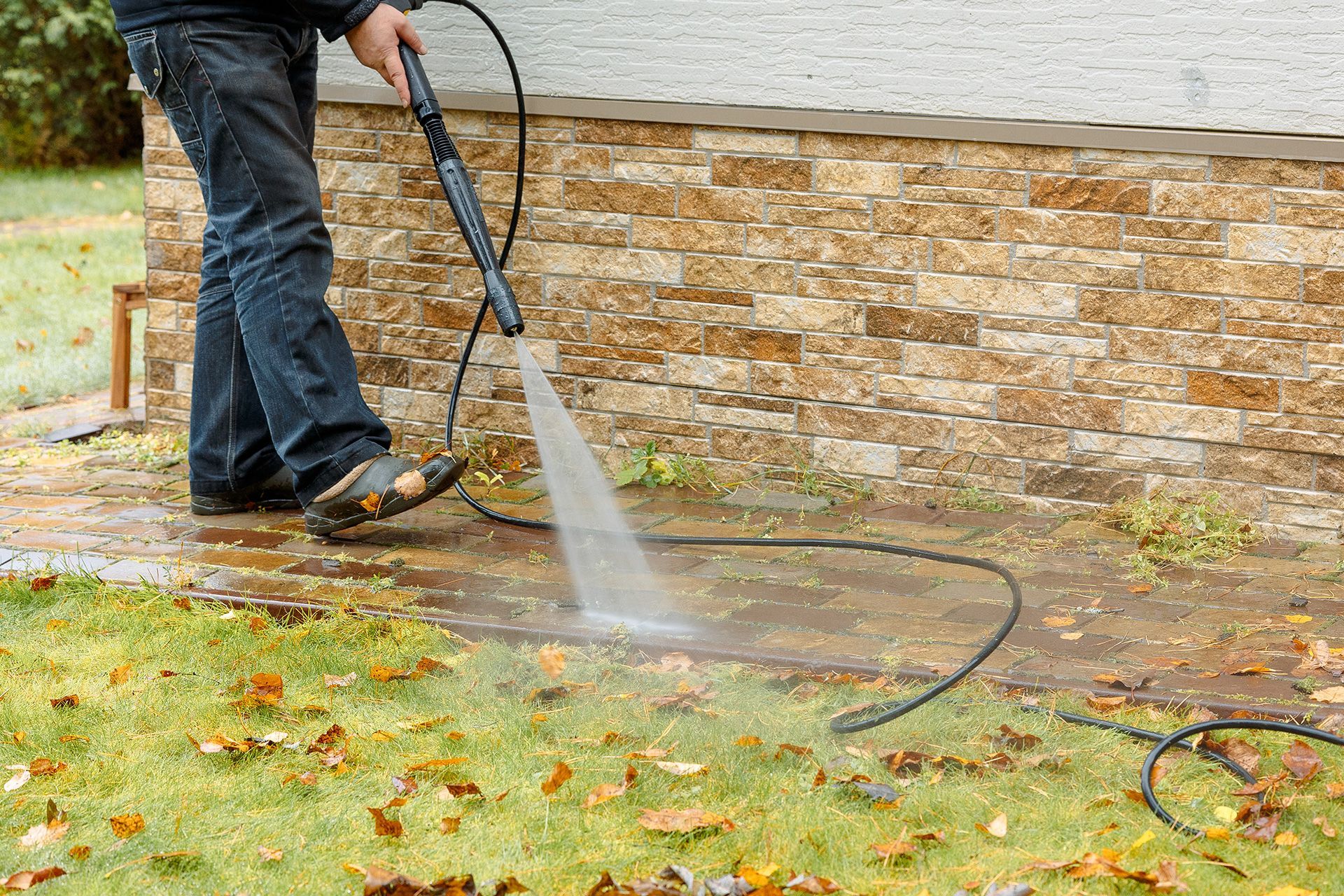
Pressure washing is a cleaning method that uses high-powered water to remove dirt, stains, mold, and algae from outdoor surfaces. It is much stronger than a regular garden hose and can clean large areas quickly.
When pressure washing is used on siding, brick, or other outside parts of a home, it is called House Pressure Washing.
Why Homeowners Choose Pressure Washing
Many homeowners across the USA choose pressure washing because it delivers fast and visible results. It helps maintain the home’s appearance and protects surfaces from long-term damage.
Common reasons homeowners use pressure washing include:
- Removing dirt, mold, and mildew
- Improving curb appeal
- Preparing surfaces for painting
- Protecting siding and concrete
- Making the home look newer
Pros of Pressure Washing Your House
Pressure washing offers several benefits that make it a popular home maintenance service.
1. Improves Curb Appeal
One of the biggest benefits of House Pressure Washing is how much better your home looks afterward. Dirt and stains disappear, making your house look brighter and cleaner.
2. Removes Mold and Mildew
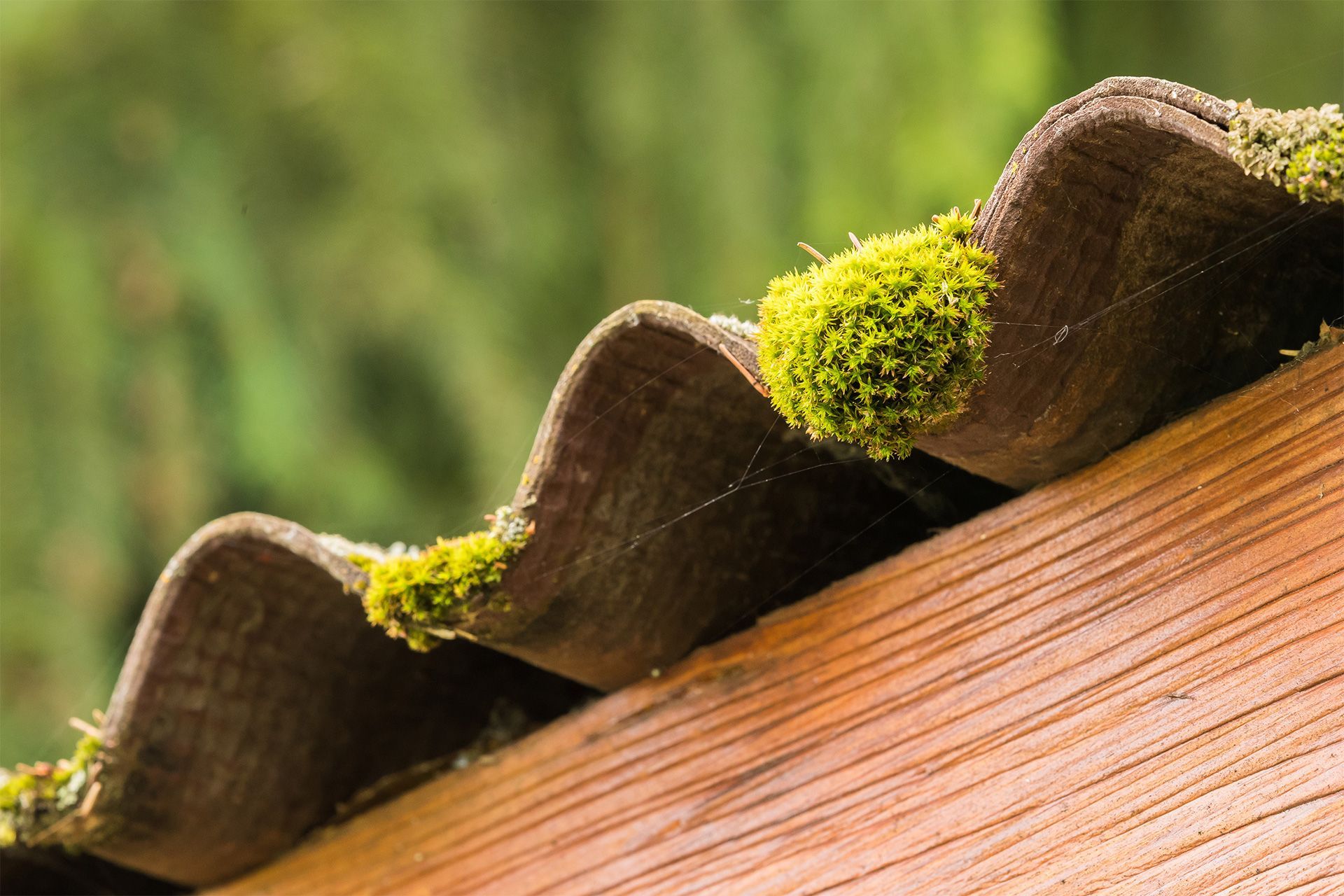
Mold and mildew grow in damp areas and can spread quickly. Pressure washing removes these harmful substances before they cause serious damage.
3. Protects Your Home’s Surfaces
Built-up grime can slowly wear down siding, wood, and concrete. Pressure Washing helps extend the life of these surfaces.
4. Saves Time and Energy
Scrubbing your home by hand can take days. Pressure washing cleans large areas in a short amount of time.
5. Supports a Healthier Home
Mold, mildew, and pollen can trigger allergies and breathing problems. Cleaning them away helps improve outdoor air quality.
6. Boosts Property Value
A clean home exterior makes a strong first impression. Pressure washing can help increase your home’s value, especially if you plan to sell.
Cons of Pressure Washing Your House
While pressure washing is helpful, there are some downsides to consider.
1. Risk of Surface Damage
High-pressure water can damage siding, wood, and paint if used incorrectly. Older or softer materials need extra care.
2. Requires Skill and Experience
Using the wrong pressure level or spray angle can cause cracks, peeling paint, or water leaks.
3. Equipment and Service Costs
Buying or renting a pressure washer costs money. Hiring professionals for House Pressure Washing also adds to the cost.
4. Uses a Lot of Water
Pressure washing can use a large amount of water, which may be a concern in areas with water restrictions.
5. Safety Risks
Pressure washers are powerful tools. Improper use can cause injuries, including cuts or slips.
Is Pressure Washing Worth It?
For most homeowners, pressure washing is worth it when done correctly. It improves appearance, prevents damage, and saves time compared to manual cleaning.
House Pressure Washing is worth it if:
- Your home has visible dirt, mold, or algae
- You want to improve curb appeal
- You are preparing to paint or sell your home
- You want to protect your siding and concrete
It may not be worth it if:
- Your home has fragile materials
- You are unable to use the equipment safely
- Water use is restricted in your area
In many cases, hiring a professional ensures better results and reduces the risk of damage.
Tips for Safe House Pressure Washing
If you decide to pressure wash your home, follow these helpful tips:
1. Start With Low Pressure
Always begin with the lowest pressure setting and increase only if needed.
2. Keep Distance From Surfaces
Hold the nozzle at least 12–24 inches away to prevent damage.
3. Wear Protective Gear
Use gloves, closed-toe shoes, and eye protection while pressure washing.
4. Know Your Materials
Different surfaces require different pressure levels. Wood, vinyl, and brick all need special care.
5. Consider Professional Help
Professionals know how to safely handle pressure washing equipment and avoid costly mistakes.
Cost of House Pressure Washing in the USA
The cost of House Pressure Washing varies depending on:
- Size of the home
- Type of surface
- Level of dirt and staining
- Local service rates
Smaller homes typically cost less, while larger homes or homes with heavy mold buildup cost more. Many homeowners find the investment worthwhile for the long-lasting results.
Final Thoughts
Pressure washing is a powerful way to clean and protect your home. When done correctly, it improves curb appeal, removes harmful buildup, and helps your home last longer.
Understanding the pros and cons helps you decide if Pressure Washing is the right solution for your needs.
Want a cleaner, brighter home? Schedule professional house pressure washing with
Diamond Sparkle Cleaning today.
Frequently Asked Questions
How often should I pressure wash my house?
Most homes should be pressure washed every one to two years. Homes in humid areas may need it more often.
Can pressure washing remove paint?
Yes, if too much pressure is used. Proper pressure settings help protect paint.
Is pressure washing safe for all homes?
Not always. Older homes or delicate surfaces may need soft washing instead.
Can I pressure wash my house myself?
You can, but experience is important. Many homeowners choose professionals for safer results.
What time of year is best for pressure washing?
Spring and early summer are ideal because of mild temperatures and less debris.
Disclaimer: The information on this website and blog is for general informational purposes only and is not professional advice. We make no guarantees of accuracy or completeness. We disclaim all liability for errors, omissions, or reliance on this content. Always consult a qualified professional for specific guidance.
Search
Recent Posts