What Should I Spray Before Pressure Washing?
If you’ve ever pressure washed a driveway, patio, or home exterior and felt disappointed with the results, you’re not alone. Many homeowners across the USA assume the power of high-pressure water alone will remove years of dirt and stains. The truth? The real secret to a deep, long-lasting clean is what you spray before pressure washing.
Using the right pressure wash spray before turning on your machine can dramatically improve cleaning results. Pre-treating surfaces helps break down grease, mold, algae, and embedded grime so your pressure washer can rinse them away easily and safely.
In this complete guide, we’ll explain what to spray before pressure washing, how to choose the right solution, how to apply it correctly, and what mistakes to avoid.
Why Pre-Treating Matters Before Pressure Washing
Pressure washing without a pre-treatment is like trying to wash greasy dishes without soap. Water alone can remove loose dirt, but it struggles with oil, mold, and deep stains.
A quality pressure wash spray works by:
- Breaking down dirt and buildup
- Loosening oil and grease stains
- Killing mold, mildew, and algae
- Reducing the amount of pressure needed
- Helping prevent surface damage
- Improving overall cleaning efficiency
Pre-treatment not only delivers better results, but it also protects surfaces. Using chemicals to loosen grime means you don’t need to rely on extremely high PSI, which can damage wood, siding, and concrete.
Types of Sprays to Use Before Pressure Washing
Different surfaces and stains require different solutions. Here are the most common types of pressure wash spray products used.
1. General Surface Cleaner
A general-purpose cleaner is ideal for everyday dirt and grime. These cleaners are designed for:
- Driveways
- Sidewalks
- Patios
- Brick
- Concrete
- Vinyl siding
They loosen built-up dirt so your pressure washer can remove it more easily. This is often the best choice for routine maintenance cleaning.
2. Degreasers
If you’re cleaning a driveway or garage floor with oil stains, a degreaser is essential.
Degreasers are specifically formulated to break down:
- Motor oil
- Transmission fluid
- Grease
- Automotive residue
Without a degreaser, oil stains can remain even after pressure washing. Applying a degreasing pressure wash spray beforehand significantly increases your chances of complete stain removal.
3. Mold, Mildew & Algae Removers
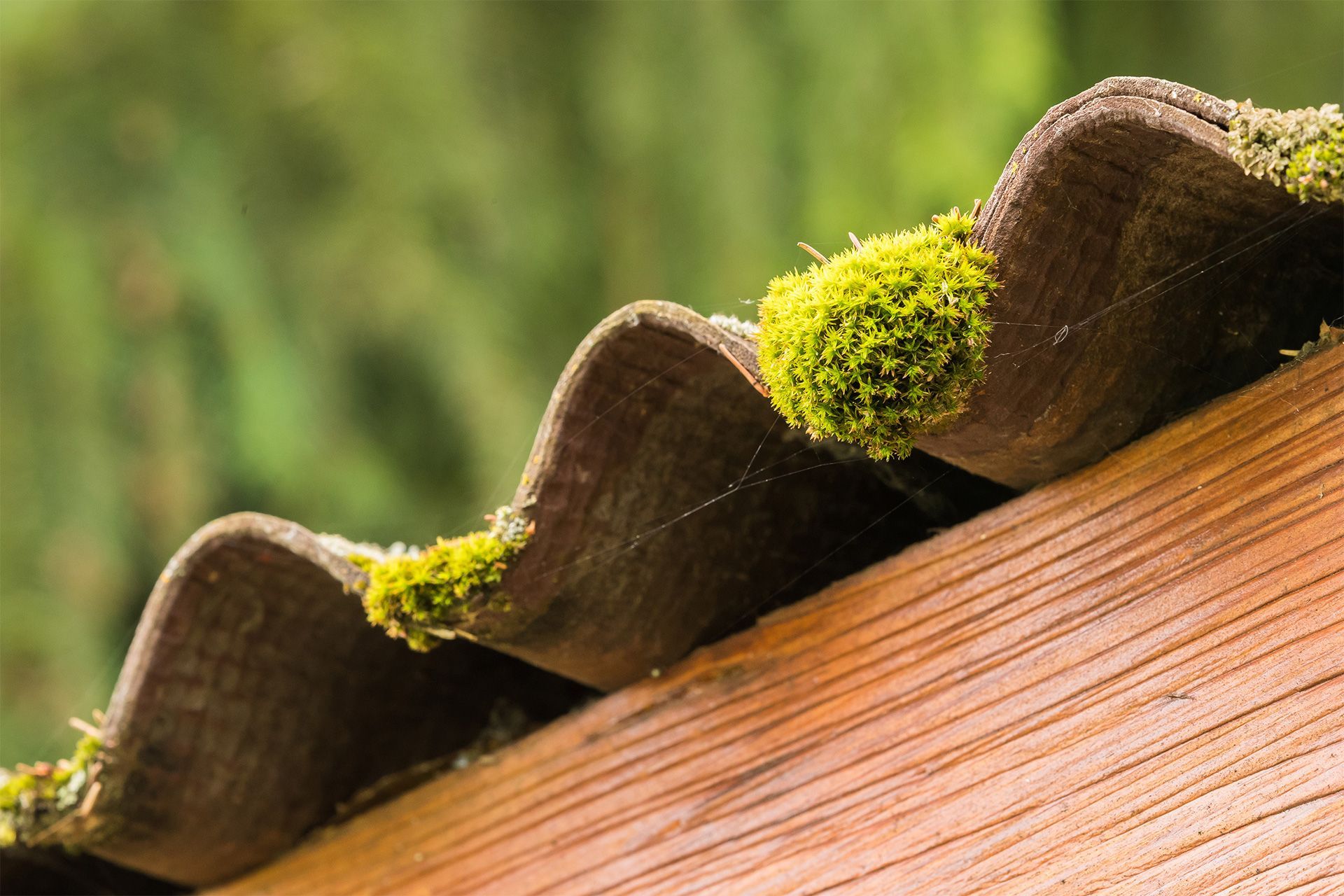
In many parts of the USA, especially humid regions, mold and algae are common problems on:
- House siding
- Decks
- Fences
- Roofs
- Concrete surfaces
A mold and mildew treatment spray kills organic growth at the root. Pressure washing alone may remove the visible surface layer, but pre-treatment helps prevent quick regrowth.
4. Rust Removers
Rust stains on concrete or siding can be stubborn. Specialized rust-removal sprays contain ingredients that dissolve iron deposits and mineral buildup before rinsing.
These are especially helpful for:
- Sprinkler system stains
- Patio furniture marks
- Metal railing runoff
- Concrete driveways
5. Eco-Friendly & Biodegradable Cleaners
If you’re concerned about plants, pets, or environmental safety, eco-friendly pressure wash spray options are available.
These products are:
- Biodegradable
- Safer for landscaping
- Less harsh on surfaces
- Better for residential areas
They still loosen dirt effectively while minimizing chemical impact.
How to Choose the Right Pressure Wash Spray
Choosing the correct product depends on three main factors:
1. Surface Type
Concrete and brick can handle stronger cleaners.
Wood decks, painted surfaces, and vinyl siding require gentler formulas.
Always check product labels for compatibility.
2. Type of Stain
Identify what you’re removing:
- Oil → Use a degreaser
- Mold → Use a mildew remover
- Rust → Use a rust treatment
- Dirt → Use a general surface cleaner
Matching the cleaner to the stain gives better results.
3. Environmental Considerations
If you have heavy landscaping or nearby water drainage areas, choose biodegradable or low-impact cleaners to reduce runoff risks.
How to Apply Spray Before Pressure Washing
Using the spray correctly is just as important as choosing the right one.
Step 1: Prepare the Area
- Remove furniture, cars, and obstacles.
- Cover delicate plants if using strong chemicals.
- Sweep away loose debris.
Step 2: Apply Evenly
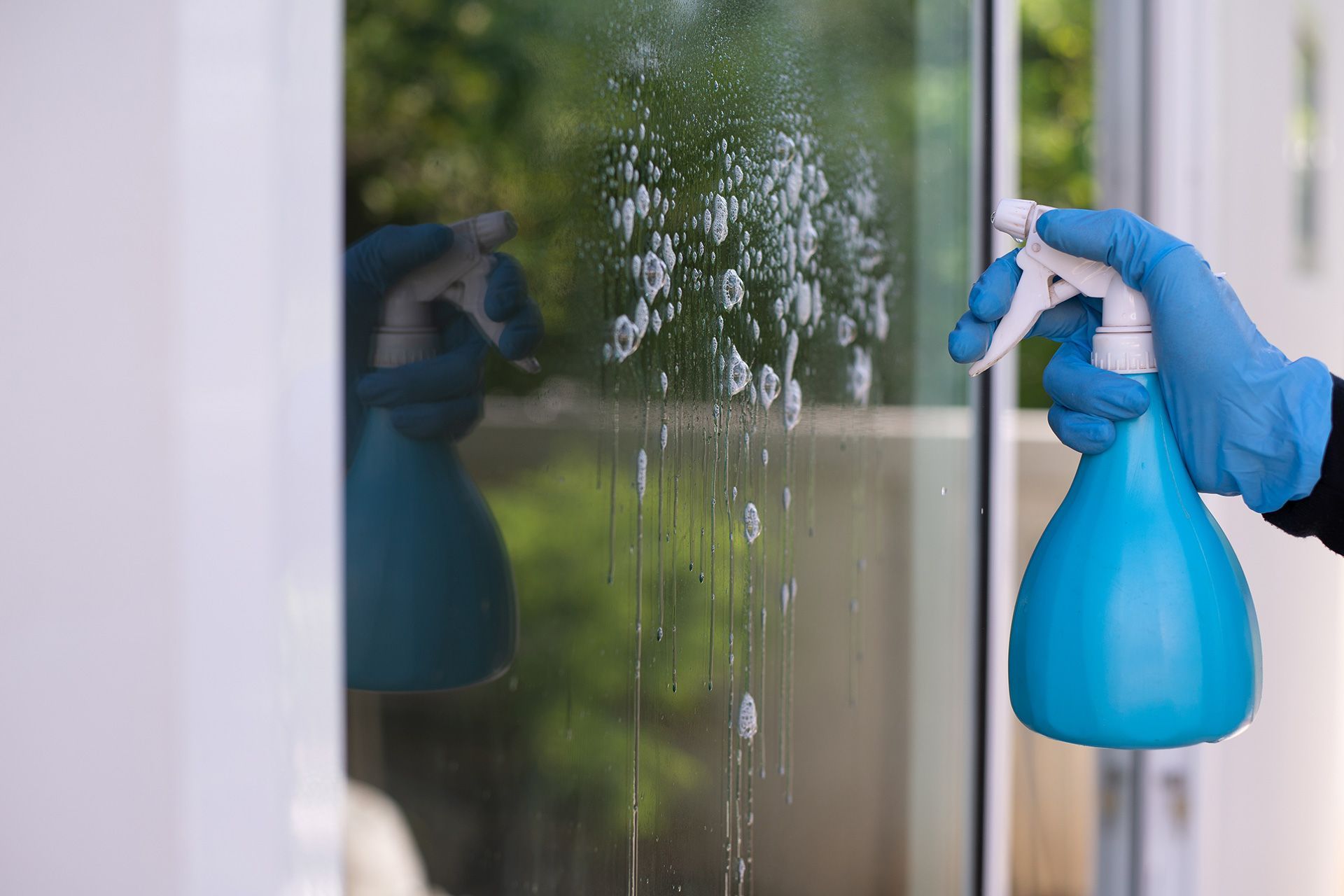
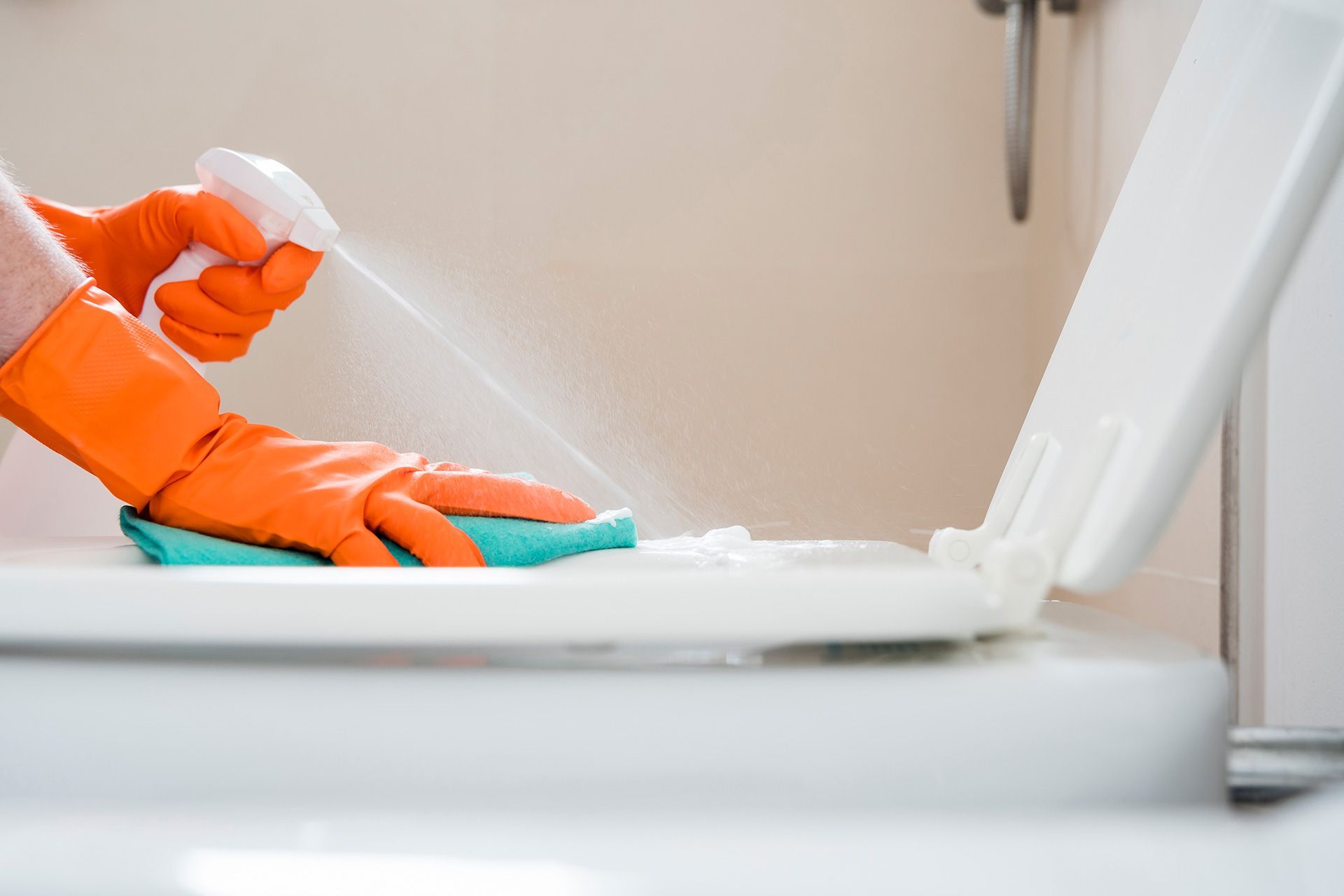
Use a pump sprayer or your pressure washer’s soap injector to apply the pressure wash spray evenly across the surface.
Make sure all stained areas are coated.
Step 3: Allow Dwell Time
Let the spray sit for 5–15 minutes (follow product instructions).
This dwell time allows the cleaner to:
- Penetrate grime
- Break down oils
- Kill mold spores
Important: Do not let the solution dry completely on the surface.
Step 4: Pressure Wash
After dwell time:
- Start with a wide spray nozzle.
- Use moderate pressure.
- Work in consistent, overlapping passes.
- Rinse thoroughly.
You’ll likely notice stains lifting more easily compared to washing without pre-treatment.
Can You Use Household Products?
Some homeowners try DIY solutions such as:
- Dish soap
- Vinegar
- Baking soda
- Diluted bleach
While these may help with light dirt, they are often not strong enough for heavy buildup. Bleach can kill mold but may damage plants and discolor certain materials if not used properly.
Commercial pressure wash spray products are typically safer and more effective when used according to instructions.
Common Mistakes to Avoid
Avoid these common pressure washing errors:
- Skipping pre-treatment
- Using too much pressure instead of chemicals
- Letting cleaner dry on the surface
- Mixing incompatible chemicals
- Using strong degreasers on delicate wood
Remember, chemical action does the cleaning, pressure just rinses it away.
Safety Tips When Using Pre-Wash Sprays
When applying a pressure wash spray, always:
- Wear gloves and eye protection
- Avoid direct skin contact
- Protect nearby plants if using strong chemicals
- Keep children and pets away
- Follow label dilution instructions
- Rinse thoroughly after cleaning
Safety should always come first.
When to Call a Professional
Some cleaning jobs require professional expertise, including:
- Large commercial properties
- Severe oil staining
- Delicate surfaces
- Multi-story homes
- Heavy mold infestation
Professionals understand proper chemical ratios, dwell time, and surface-safe pressure levels.
Hiring experts can prevent costly damage and deliver superior results.
Final Thoughts
So, what should you spray before pressure washing?
The answer depends on your surface and stain type, but in almost every case, using the correct pressure wash spray will dramatically improve your results.
Pre-treating:
- Makes cleaning faster
- Reduces surface damage
- Improves stain removal
- Delivers longer-lasting cleanliness
If you want a professional-level clean, never skip this critical step.
Ready for a sparkling clean property? Contact Diamond Sparkle Cleaning today for expert pressure washing services that deliver powerful, safe, and long-lasting results.
Frequently Asked Questions (FAQs)
Do I need to spray before pressure washing every time?
Yes, especially if there are stains, mold, grease, or heavy buildup. Even light pre-treatment improves overall cleaning performance.
How long should I let the spray sit before washing?
Most products require 5–15 minutes of dwell time. Always check the manufacturer’s instructions.
Can I just use water at high pressure?
Water alone removes loose dirt, but it won’t effectively break down oil, mold, or embedded grime. Pre-treatment provides better results.
Is bleach safe to use before pressure washing?
Bleach can kill mold but must be diluted properly and used carefully. It may damage plants or discolor surfaces if misused.
What is the best pressure wash spray for driveways?
For standard dirt, use a general surface cleaner. For oil stains, use a dedicated degreaser.
Will pre-treatment reduce the pressure needed?
Yes. Since the cleaner breaks down grime, you can often use lower PSI, reducing the risk of surface damage.
Disclaimer: The information on this website and blog is for general informational purposes only and is not professional advice. We make no guarantees of accuracy or completeness. We disclaim all liability for errors, omissions, or reliance on this content. Always consult a qualified professional for specific guidance.
Search
Recent Posts