How to Pressure Wash a House: A Simple Guide
Keeping your home clean on the outside is just as important as cleaning the inside. House pressure washing is a simple way to remove dirt, mold, and grime that build up over time. When done the right way, pressure washing a house can make it look fresh, bright, and well cared for.
This easy guide explains everything step by step and shares helpful tips on power washing so homeowners in the USA can understand the process clearly.
What Is House Pressure Washing?
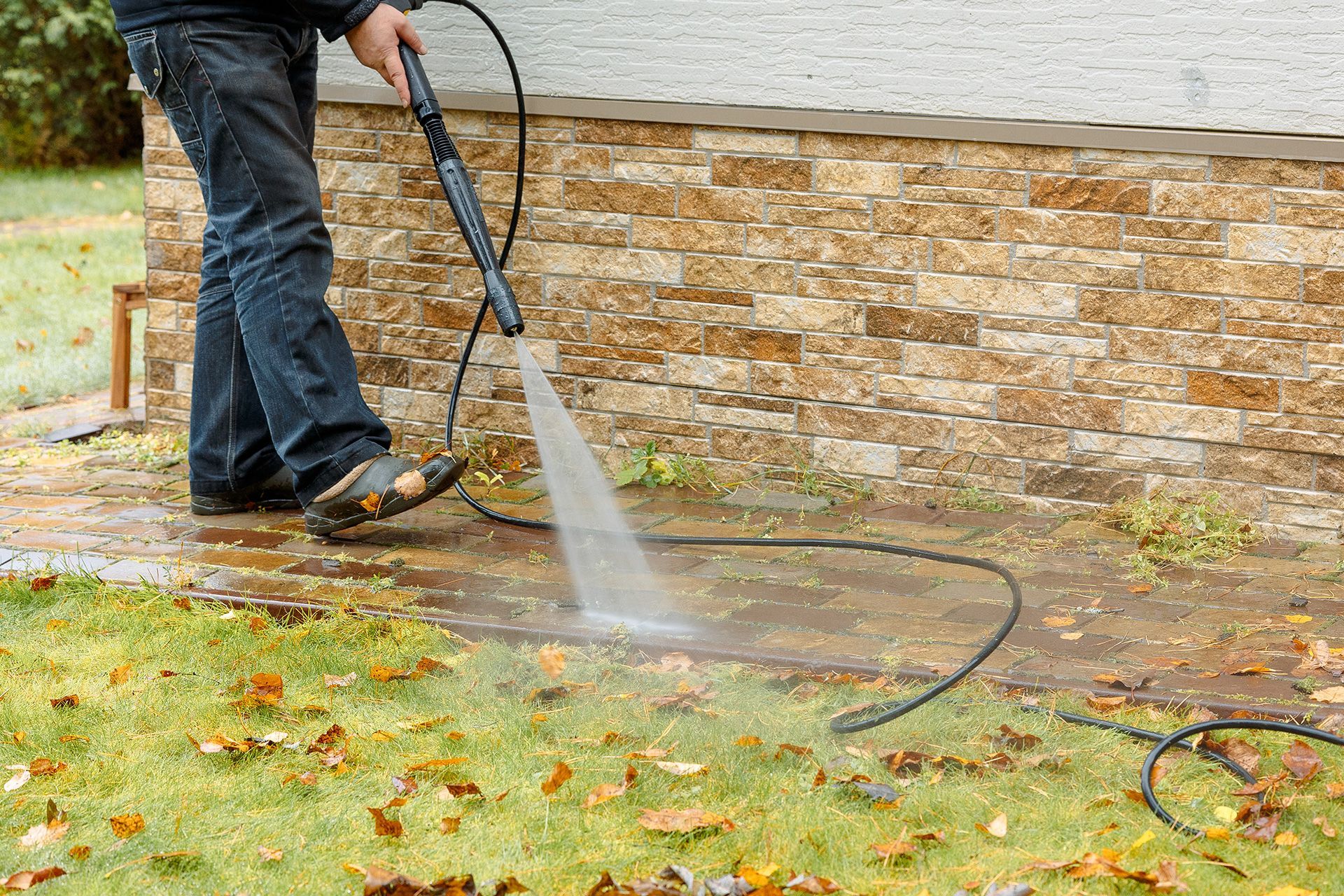
House pressure washing uses a machine that sprays water at high pressure to clean the outside of a home. It works well on siding, brick, concrete, and other outdoor surfaces. The strong water stream removes stuck-on dirt, algae, and mildew that regular garden hoses cannot remove.
Why Pressure Washing Your House Is Important
Pressure washing is more than just making your house look good. Here are some key benefits:
- Improves curb appeal
by making your home look clean and well maintained
- Removes mold and mildew
that can damage siding over time
- Protects your home’s surfaces
from long-term wear and stains
- Prepares surfaces for painting or repairs
- Helps maintain property value
Regular house pressure washing can save you money by preventing damage and costly repairs later.
What You Need Before You Start
Before you begin pressure washing a house, gather the right tools and supplies:
- Pressure washer (electric or gas)
- Garden hose
- Cleaning solution or pressure washer detergent
- Safety goggles and gloves
- Closed-toe shoes
- Plastic covers or tarps to protect plants and fixtures
- Soft brush for stubborn stains
Having everything ready will make the job easier and safer.
Step-by-Step Guide: How to Pressure Wash a House
Step 1: Prepare the Area
Start by getting the area around your home ready:
- Move outdoor furniture, grills, and decorations away from the house
- Cover plants, outlets, lights, and vents with plastic or tarps
- Close all windows and doors tightly
- Check for loose siding, cracks, or damage and fix them first
- Put on safety gear like gloves and eye protection
Preparation helps prevent damage and keeps everyone safe.
Step 2: Choose the Right Pressure Washer
Not all pressure washers are the same:
- Electric pressure washers
are lighter and best for small homes and light dirt
- Gas pressure washers
are more powerful and better for heavy buildup
Use lower pressure for wood siding and higher pressure for vinyl, brick, or concrete. Always start with the lowest setting and increase slowly if needed.
Step 3: Set Up the Pressure Washer
- Connect the garden hose to the pressure washer
- Attach the spray wand and nozzle
- Add detergent to the washer’s soap tank if needed
- Test the spray on a small area away from the house
Testing helps you avoid using too much pressure on your siding.
Step 4: Apply Cleaning Solution
- Start at the bottom of the house and work your way up
- Spray the cleaning solution evenly across the surface
- Let the solution sit for a few minutes to loosen dirt and stains
- Do not let the soap dry on the siding
This step is important for deep cleaning during pressure washing a house.
Step 5: Rinse the House
Follow these tips on power washing when rinsing:
- Switch to a clean water spray nozzle
- Rinse from top to bottom
- Use smooth, even strokes
- Keep the spray wand about 2 to 3 feet from the surface
- Avoid spraying directly into windows, doors, or vents
Rinsing properly prevents streaks and leftover residue.
Step 6: Let Everything Dry
Once finished:
- Turn off the pressure washer
- Disconnect hoses and equipment
- Remove protective coverings
- Allow the house to air dry completely
Drying usually takes 24 to 48 hours, depending on the weather.
Important Safety Tips for Power Washing
Safety should always come first when pressure washing:
- Never point the spray at people or pets
- Avoid using ladders while pressure washing
- Wear protective clothing and eye protection
- Keep a firm grip on the spray wand
- Use the correct nozzle and pressure setting
Following these tips on power washing helps prevent injuries and property damage.
Common Mistakes to Avoid
Many homeowners make these simple mistakes:
- Using too much pressure on soft surfaces
- Standing too close to the siding
- Skipping surface preparation
- Letting soap dry on the house
- Spraying directly into gaps or cracks
Avoiding these mistakes makes house pressure washing safer and more effective.
Final Thoughts
Learning how to properly clean your home’s exterior makes a big difference. With the right tools, preparation, and safety steps, pressure washing a house can restore its beauty and protect it for years to come.
Call Diamond Sparkle Cleaning today for professional house pressure washing that delivers safe, sparkling results!
Frequently Asked Questions (FAQs)
How often should I pressure wash my house?
Most homes should be pressure washed once a year. Homes in humid areas may need it more often.
Can pressure washing damage my house?
Yes, if done incorrectly. Using too much pressure or spraying too close can damage siding, paint, or wood.
Can I pressure wash windows?
It is best to avoid spraying windows directly with high pressure. Use a low-pressure setting or clean them separately.
Is pressure washing safe for all siding types?
Vinyl, brick, and concrete are usually safe. Wood and older siding need lower pressure and extra care.
Should I hire a professional instead?
If you are unsure or want guaranteed results, professional pressure washing is a safe and convenient option.
What’s the difference between a power pressure washer and a regular washer?
A power pressure washer uses strong water pressure to remove dirt and grime. Some also use heated water for tougher stains.
Disclaimer: The information on this website and blog is for general informational purposes only and is not professional advice. We make no guarantees of accuracy or completeness. We disclaim all liability for errors, omissions, or reliance on this content. Always consult a qualified professional for specific guidance.
Search
Recent Posts