Can You Power Wash Inside Your House? Cleaning Tips
When dirt builds up in your home, you may look for fast and powerful ways to clean. Many homeowners ask the same question: Can you power wash inside your house? Since pressure washers work so well outdoors, it may seem like a good idea to use them inside too. However, the truth is that power washing indoors can cause serious damage.
In this guide, we’ll explain why you should not Power Wash Inside House spaces, what can go wrong, safer cleaning options for indoors, and important Pressure Washing Safety tips every homeowner should know.
What Is Power Washing?
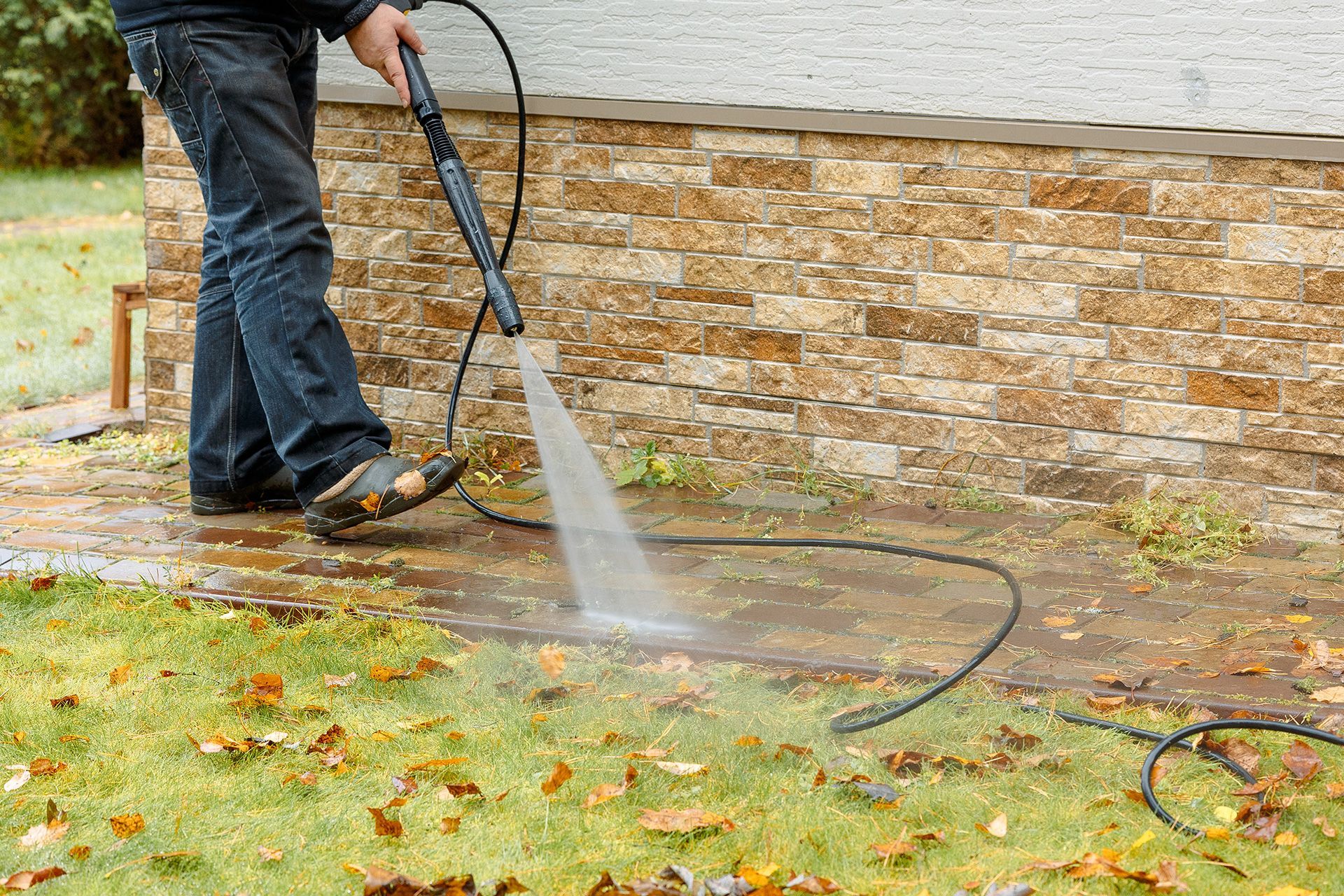
Power washing, also known as pressure washing, uses high-pressure water to remove dirt, mold, grease, and stains from hard surfaces. These machines spray water with a strong force, making them perfect for outdoor areas like driveways, patios, decks, and siding.
While power washers are very effective outside, they are not designed for indoor cleaning. The same strength that removes tough grime outdoors can damage your home’s interior.
Can You Power Wash Inside Your House?
No, power washing inside your house is not safe.
Pressure washers release water at extremely high pressure. Indoor surfaces like drywall, wood floors, cabinets, and furniture are not built to handle that force. Using a pressure washer indoors can lead to water damage, safety hazards, and costly repairs.
Understanding Pressure Washing Safety helps protect your home, your belongings, and your family.
Why Power Washing Indoors Is a Bad Idea
1. Serious Water Damage
Power washers can force water into places it should never go. Water can soak into:
- Walls and drywall
- Wood floors and subfloors
- Ceilings and insulation
Once water gets trapped, it can cause rot, stains, and long-term damage. These issues are often hidden and expensive to fix.
2. Mold and Mildew Growth
Moisture left behind from power washing creates the perfect environment for mold. Mold can grow behind walls, under floors, and inside ceilings. This not only damages your home but can also cause breathing problems and allergies.
Avoiding indoor water exposure is a key part of Pressure Washing Safety.
3. Electrical Dangers
Homes contain electrical outlets, wiring, and appliances that do not mix well with water. Using a pressure washer inside increases the risk of:
- Electrical shocks
- Short circuits
- Fire hazards
Even a small amount of water entering outlets or wiring can be dangerous.
4. Damage to Surfaces and Furniture
The high pressure from a power washer can:
- Strip paint from walls
- Crack tiles and grout
- Damage cabinets and doors
- Ruin furniture and rugs
Indoor materials are much more delicate than outdoor concrete or brick.
5. Health Risks from Airborne Particles
In older homes, pressure washing can disturb dust, lead paint, or other harmful materials. These particles can become airborne and be inhaled, which can pose health risks to your family.
Safe Alternatives to Power Washing Indoors
Instead of trying to Power Wash Inside House areas, use safer and more effective indoor cleaning methods.
Gentle Scrubbing
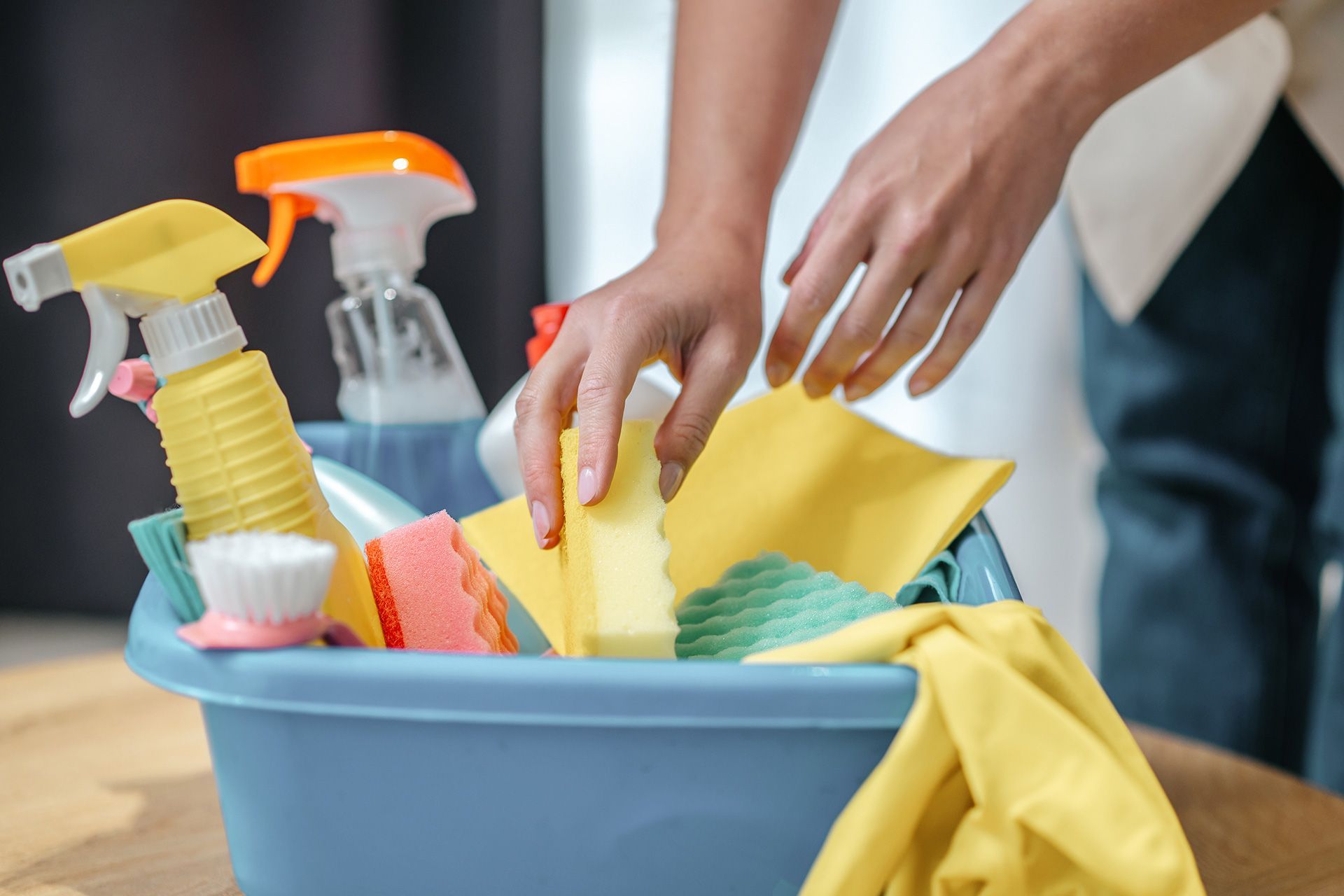
Use sponges, microfiber cloths, and soft brushes with mild cleaners. This gives you control and prevents damage.
Steam Cleaning
Steam cleaners use hot vapor instead of heavy water pressure. They are great for:
- Bathrooms
- Kitchens
- Tile and grout
- Upholstery
Steam kills germs and loosens dirt without soaking surfaces.
Vacuuming and Mopping
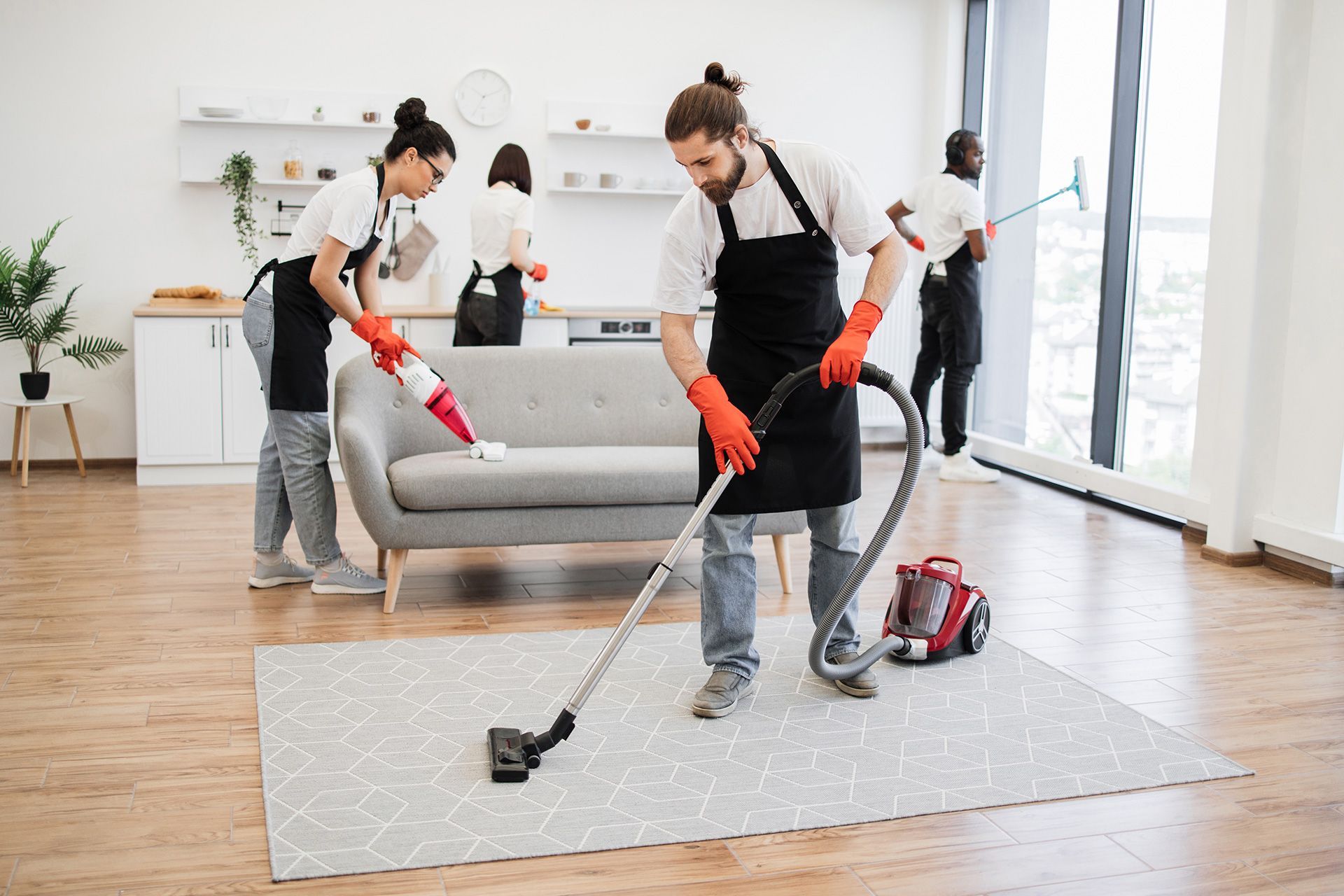
For floors and carpets, regular vacuuming and damp mopping are the safest options. Use cleaning solutions designed for indoor surfaces.
Professional Interior Cleaning
Hiring a professional cleaning service ensures your home is cleaned deeply using the right tools and methods for each surface.
Where Power Washing Is Safe and Effective
While you should never power wash inside your home, pressure washing works very well outdoors. Safe areas include:
- Driveways and sidewalks
- Patios and decks
- Exterior siding
- Fences
- Garage floors
Using power washers in open outdoor spaces allows water to drain properly and reduces safety risks.
Pressure Washing Safety Tips for Homeowners
If you plan to use a pressure washer outside, follow these Pressure Washing Safety tips:
Always Keep It Outdoors
Pressure washers are designed for open spaces only. Never use them inside homes, garages, or enclosed areas.
Wear Protective Gear
Protect yourself with:
- Safety goggles
- Gloves
- Closed-toe shoes
- Long pants and sleeves
Maintain Control
Always hold the spray wand with both hands and keep it pointed away from people, pets, and fragile surfaces.
Use the Right Pressure Setting
Different surfaces require different pressure levels. Too much pressure can damage siding, wood, and paint.
Stay Away from Electrical Areas
Never spray near outlets, wires, or outdoor electrical panels.
Following these tips helps keep your home safe while getting the best cleaning results.
Common Indoor Cleaning Mistakes to Avoid
- Using too much water on walls or floors
- Mixing harsh chemicals
- Scrubbing delicate surfaces too hard
- Ignoring moisture left behind
Drying surfaces after cleaning is just as important as the cleaning itself.
Final Thoughts
While power washers are great for outdoor cleaning, they are not meant for indoor use. Trying to Power Wash Inside House areas can lead to water damage, mold, and safety hazards. Choosing safer indoor cleaning methods protects your home and keeps your family healthy.
Pressure Washing Safety starts with knowing where and how to use the right tools.
For a cleaner, safer home inside and out, contact Diamond Sparkle Cleaning for professional cleaning services you can trust.
FAQs About Power Washing Inside the House
Can I power wash my bathroom?
No. The pressure can damage tiles, grout, walls, and plumbing.
Is it safe to power wash inside a garage?
No. Garages are enclosed spaces with electrical systems and poor drainage.
What is the safest way to clean interior walls?
Use a soft cloth or sponge with warm water and a mild cleaner.
Can steam cleaners replace pressure washers indoors?
Yes. Steam cleaners are much safer for indoor use and still clean deeply.
What happens if water gets inside walls?
Water trapped in walls can cause mold, rot, and long-term structural damage.
Disclaimer: The information on this website and blog is for general informational purposes only and is not professional advice. We make no guarantees of accuracy or completeness. We disclaim all liability for errors, omissions, or reliance on this content. Always consult a qualified professional for specific guidance.
Search
Recent Posts