How to Remove Moss From Your Roof: A Homeowner’s Guide
Moss might look harmless, or even charming, on rooftops, but it can cause serious problems for homeowners if left untreated. In humid regions like South Florida, roofs can develop moss due to moisture, shade, and organic debris. If ignored, this growth can damage shingles, trap water, and lead to expensive repairs.
In this guide, we’ll explain roof moss removal, why moss grows on roofs, and how to get rid of moss on a roof safely. You’ll also learn prevention tips to keep your roof clean and protected for years to come.
Why Moss Grows on Roofs
Moss thrives in damp, shaded environments, which makes roofs a perfect place for it to grow, especially if your roof doesn’t get much sunlight or has nearby trees.
Common reasons moss develops on roofs include:
- Moisture retention: Rain, humidity, and poor drainage allow water to remain on shingles.
- Shade from trees or buildings: Limited sunlight keeps roofs from drying quickly.
- Organic debris buildup: Leaves and branches trap moisture and provide nutrients.
- Porous roofing materials: Asphalt shingles and tiles can hold moisture, encouraging moss growth.
South Florida’s warm and humid climate can accelerate these conditions, making regular roof inspections especially important.
Why You Should Remove Moss From Your Roof
While moss may seem harmless, it can cause real damage over time. Moss holds moisture against roofing materials, which can lead to deterioration and structural issues.
Potential problems include:
- Shingle damage: Moss can lift or curl shingles.
- Water leaks: Moisture trapped under moss can seep beneath roofing layers.
- Clogged gutters: Pieces of moss can wash into gutters and block drainage.
- Higher energy costs: Moss-covered roofs absorb heat rather than reflecting it.
Ignoring moss growth may eventually require costly repairs, or even a full roof replacement. That’s why learning how to clean moss off a roof early can save homeowners thousands of dollars.
Tools and Materials You’ll Need
Before starting roof moss removal, gather the right tools and safety equipment.
Recommended tools include:
- Ladder
- Safety harness or rope
- Work gloves and safety goggles
- Garden hose with spray nozzle
- Soft-bristle brush
- Moss cleaning solution or moss killer
- Pump sprayer
Always prioritize safety when working on a roof. If your roof is steep or difficult to access, consider hiring a professional cleaning service.
Step-by-Step Guide: How to Clean Moss Off Roof
Follow these steps to safely remove moss without damaging your roof.
1. Prepare the Area
Start by protecting your landscaping. Cover plants and shrubs around your home with plastic sheeting to prevent chemical runoff.
Next, set up your ladder securely and wear protective gear.
2. Lightly Rinse the Roof
Use a garden hose with low pressure to wet the moss-covered areas.
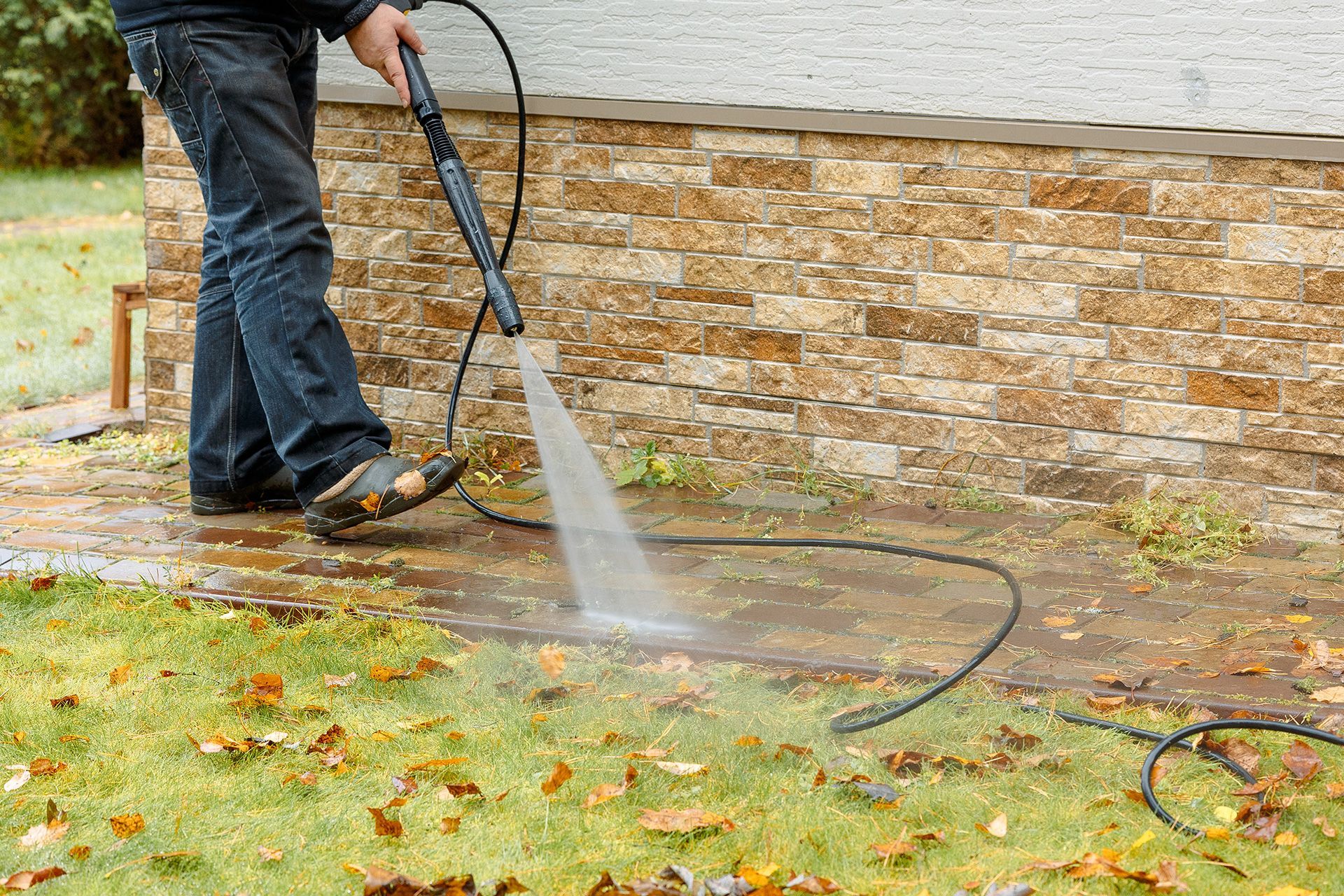
This helps loosen the moss and makes it easier to remove. Avoid using a pressure washer, high pressure can damage shingles and remove protective granules.
Spray from the top of the roof downward so water doesn’t get pushed under the shingles.
3. Gently Remove Thick Moss
For areas with heavy moss buildup, gently brush the surface using a soft-bristle brush.
Work slowly and carefully to avoid scraping or damaging shingles. Never use a wire brush or aggressive tools because they can weaken roofing materials.
The goal is to remove thick layers while leaving the roof intact.
4. Apply a Moss-Killing Solution
Once most of the moss has been loosened, apply a moss removal solution.
You can use:
- A commercial roof moss remover
- A homemade solution of bleach and water
One commonly recommended mixture is 50% household bleach and 50% water, applied with a pump sprayer.
Let the solution sit for 15–20 minutes so it can kill the moss. During this time, you may notice the moss changing color or turning pale, this means it’s dying.
5. Rinse the Roof
After the cleaning solution has done its job, rinse the roof with a garden hose.
Again, spray from the roof ridge downward and keep water pressure low.
Dead moss may not disappear immediately, it often washes away naturally over the following weeks with rain.
6. Inspect the Roof
Once the roof dries, inspect it from the ground or using binoculars.
Look for:
- Remaining moss patches
- Damaged shingles
- Debris in gutters
If needed, repeat the cleaning process on stubborn areas.
Tips to Prevent Moss From Growing Back
Removing moss is only half the job. Preventing regrowth will help keep your roof clean longer.
Here are several effective prevention strategies:
Trim Overhanging Tree Branches
Branches that block sunlight create shade and moisture, perfect conditions for moss.
Clean Gutters Regularly
Clogged gutters trap water and debris, which encourages moss growth.
Install Zinc or Copper Strips
Metal strips placed along the roof ridge release particles during rainfall that discourage moss growth.
Schedule Regular Roof Inspections
Experts recommend checking your roof at least twice a year, especially after storms.
Early detection makes moss much easier to remove.
DIY vs. Professional Roof Moss Removal
Some homeowners prefer to handle moss removal themselves, but professional services often provide safer and longer-lasting results.
DIY Cleaning
Best for:
- Small moss patches
- Single-story homes
- Easy roof access
Professional Roof Cleaning
Recommended for:
- Large moss buildup
- Steep or tall roofs
- Delicate roofing materials
Professionals often use soft washing techniques that remove moss without damaging shingles.
Why Roof Cleaning Matters in South Florida
South Florida’s humid climate makes roofs especially vulnerable to moss, algae, and mildew growth.
Regular roof cleaning offers several benefits:
- Extends roof lifespan
- Prevents leaks and water damage
- Improves curb appeal
- Protects property value
For homeowners in coastal areas, routine maintenance is essential for protecting your home from moisture-related damage.
Need professional roof moss removal in South Florida? Contact
Diamond Sparkle Cleaning today for expert roof cleaning that protects your home and restores your roof’s appearance.
FAQs About Roof Moss Removal
What is the best way to remove moss from a roof?
The safest method is soft brushing followed by a moss-killing solution and gentle rinsing. Avoid pressure washing, as it can damage shingles.
Can I use bleach to remove moss from my roof?
Yes. A diluted mixture of bleach and water is commonly used to kill moss before rinsing it away.
How often should I clean moss off my roof?
Inspect your roof at least twice a year and remove moss as soon as it appears.
Will moss damage my roof if left untreated?
Yes. Moss can trap moisture, lift shingles, and eventually cause leaks and structural damage.
Is professional roof moss removal worth it?
For large roofs or heavy moss buildup, professional cleaning is often safer and more effective.
Disclaimer: The information on this website and blog is for general informational purposes only and is not professional advice. We make no guarantees of accuracy or completeness. We disclaim all liability for errors, omissions, or reliance on this content. Always consult a qualified professional for specific guidance.
Search
Recent Posts