How to Pressure Wash a Roof Safely and Effectively
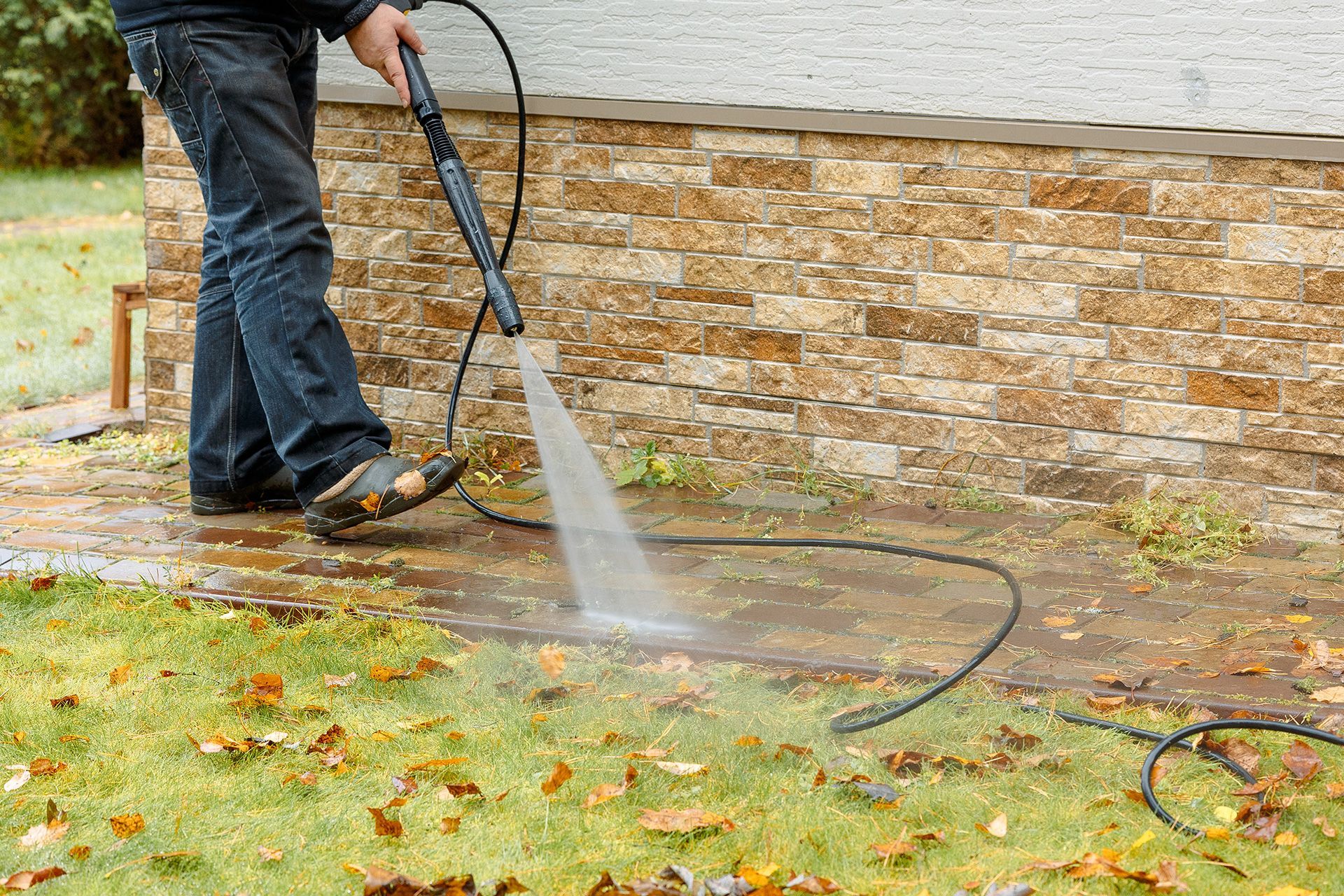
Keeping your roof clean is one of the best ways to protect your home. A clean roof not only looks better, but it can also last longer and help prevent damage. Many homeowners wonder if pressure washing a roof is safe. The truth is, it can be safe and effective if you follow the right steps, use the right tools, and avoid harsh cleaning methods.
In this guide, we’ll walk you through how to pressure wash your roof safely, what equipment you need, and how roof cleaning with Detergent can make the job easier.
Why Clean Your Roof?
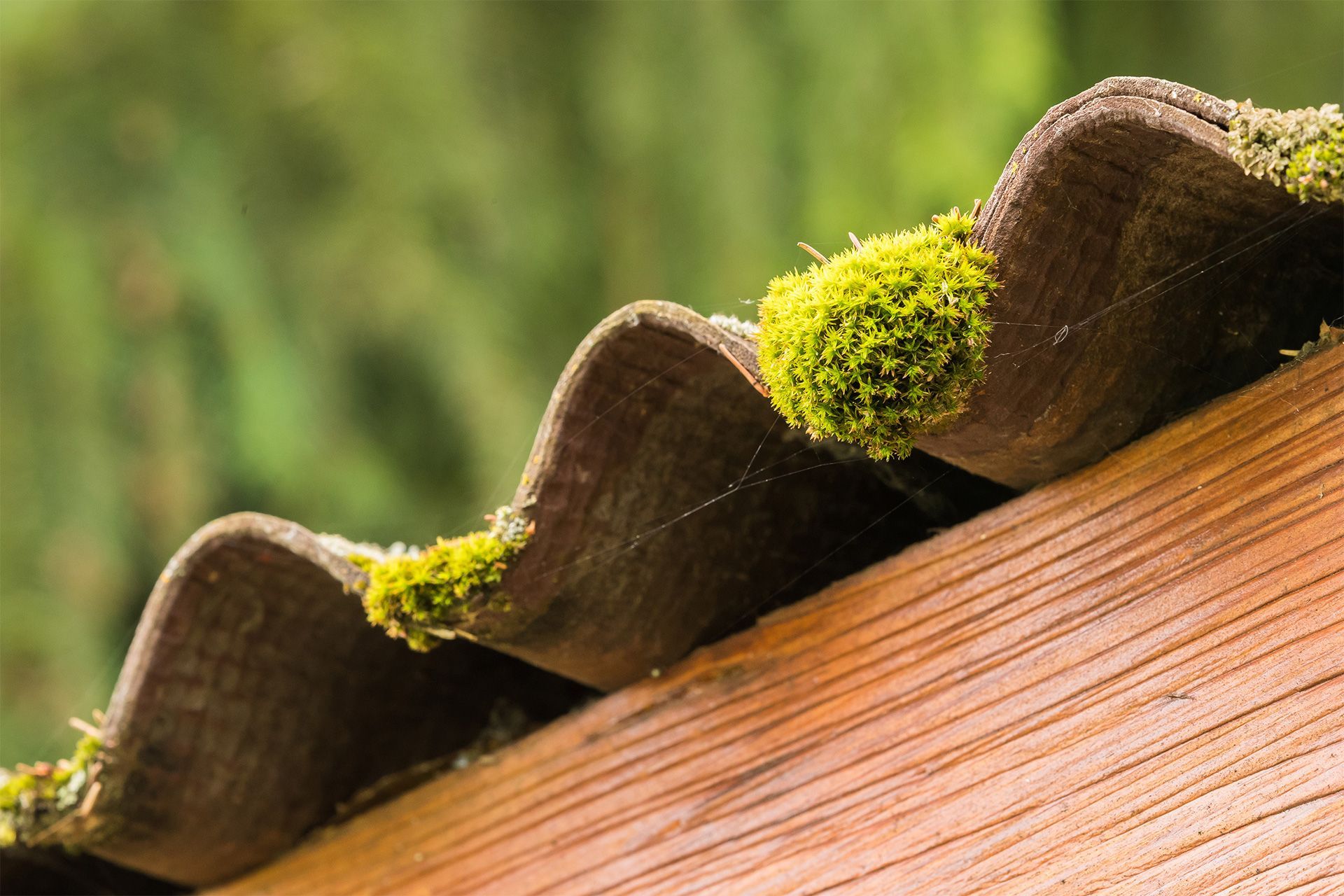
Over time, roofs collect dirt, leaves, mold, mildew, algae, and even moss. These can trap moisture and cause damage to shingles. Dark streaks from algae can also make your home look old and worn. A proper roof cleaning:
- Helps your roof last longer
- Prevents algae and moss growth
- Improves your home’s curb appeal
- Keeps your gutters flowing
- Protects your home from water damage
Cleaning your roof is not just about looks; it’s about protecting one of your biggest investments.
Can You Pressure Wash a Roof?
The short answer is yes, but with caution. Pressure washing a roof must be done at low pressure. Using high pressure can pull off shingles, break tiles, loosen granules, and even void a roof warranty.
Professionals use a method called soft washing, which uses gentle water pressure along with a safe cleaning detergent. This method cleans the roof without causing damage.
If you are not comfortable working on a ladder or roof, it is always safer to call a professional roof cleaning service.
What You Need for Safe Roof Pressure Washing
Before you begin, make sure you have the right equipment. Using the wrong tools is one of the biggest causes of roof damage.
1. Low-Pressure Washer
A standard pressure washer can be too strong. You need one with a low-pressure nozzle (usually under 100 PSI). This helps avoid damage to shingles or tiles.
2. Cleaning Detergent
Roof cleaning with Detergent is much safer and more effective than using pressure alone. Choose a detergent made for roofs, usually labeled as an “algae” or “mildew” cleaner.
3. Spray Nozzles
Use a wide-angle nozzle (40° or wider) for gentle spraying. Avoid narrow nozzles that concentrate the water pressure.
4. Safety Gear
You should have:
- Non-slip shoes
- Safety goggles
- Gloves
- A sturdy ladder
- A roof safety harness (if available)
5. Garden Hose
This helps with rinsing and preparing the roof.
Step-by-Step Guide: How to Pressure Wash a Roof Safely
Below is an easy process you can follow. Take your time and never rush. Roof work can be dangerous, so always put safety first.
Step 1: Protect Plants and Outdoor Items
Roof cleaning detergent can drip onto your yard. Before you begin:
- Cover plants with plastic
- Move furniture away
- Hose down nearby grass to dilute runoff
This helps protect your landscaping from the chemicals.
Step 2: Set Up Your Safety Equipment
Make sure your ladder is stable and placed on level ground. Use a ladder stabilizer if you have one. Wear shoes with a good grip and attach a safety harness if available.
Never work on the roof during wet or windy weather.
Step 3: Prepare Your Pressure Washer
Attach the low-pressure nozzle and connect your washer to the water supply. Mix your detergent according to the instructions. Always use a roof-safe cleaning solution.
Avoid using bleach unless the product is specifically made for roofing.
Step 4: Pre-Wet the Roof
Use your garden hose or pressure washer on a low setting to lightly wet the roof. This helps the detergent spread more evenly.
Step 5: Apply the Detergent
This is where roof cleaning with Detergent does most of the work. Starting at the bottom and working upward:
- Spray detergent gently across the shingles or tiles
- Allow it to soak for 15–20 minutes
- Avoid letting the solution dry fully
The detergent will break down dirt, algae, and stains without needing high pressure.
Step 6: Rinse the Roof
Rinse from the top down using low pressure. This prevents water from getting under shingles.
Move slowly and evenly across the roof. You should see the stains and dirt wash away easily thanks to the detergent.
If some areas remain dirty, repeat the detergent application rather than increasing water pressure.
Step 7: Clean the Gutters
After rinsing, check your gutters. They are often filled with debris and cleaning solutions. A quick flush with the hose helps keep water flowing properly.
Tips for Safe Roof Pressure Washing
Pressure washing a roof can be safe when done correctly. Here are some helpful tips:
Use Low Pressure Only
High pressure can damage shingles or break tiles. Always stick to soft washing.
Work on a Dry Day
Moisture makes roofs slippery and dangerous.
Keep Your Distance
Spray from a safe distance (about 12–24 inches away) to avoid applying too much force.
Never Spray Under Shingles
This can lift or loosen them, causing leaks.
Do Not Walk on Steep Roofs
If your roof is steep or hard to access, hire a professional.
Test a Small Area First
Before spraying the entire roof, clean a small section to make sure your method works.
Benefits of Using Detergent Instead of High Pressure
Roof cleaning with Detergent is the key to safe roof washing. Here’s why:
- Detergent breaks down algae and stains gently
- You don’t need high water pressure
- It helps prevent damage to roofing materials
- It keeps the roof cleaner for longer
- It is recommended by most roofing manufacturers
Soft washing with detergent is the professional standard for cleaning roofs in the USA.
How Often Should You Pressure Wash Your Roof?
Most roofs should be cleaned every 1 to 3 years, depending on your climate. Homes in warm, humid areas may need cleaning more often because algae grows quickly.
If you see dark streaks, moss, or heavy dirt, it’s time to schedule a roof cleaning.
Should You Hire a Professional?
Pressure washing a roof can be risky if you do not have the right experience or equipment.
Many homeowners hire professional roof cleaners because:
- They use commercial-grade low-pressure systems
- They know which detergents are safe for each roof type
- They can work safely on steep or high roofs
- They finish the job faster and with better results
If your roof is older or fragile, professionals can prevent unnecessary damage.
Conclusion
Pressure washing a roof is a great way to improve your home’s look and protect your roof from damage. By using low pressure and doing roof cleaning with detergent, you can remove algae, dirt, and stains safely and effectively. Always focus on safety and consider calling a professional if the job feels too difficult.
Need expert roof cleaning? Contact Diamond Sparkle Cleaning today for safe and reliable service!
FAQs About Roof Pressure Washing
Is pressure washing safe for all roof types?
It is safe if low pressure is used. High pressure can damage shingles, tiles, and metal roofs.
Can I use bleach to clean my roof?
Only use bleach if the product is specially made for roofs. Household bleach can harm shingles and plants.
How long does roof pressure washing take?
Most roofs take 2–4 hours depending on size and dirt level.
Will a clean roof prevent algae from coming back?
Cleaning helps, but algae may return over time. Some detergents offer protection that lasts several months.
Can I walk on my roof while cleaning?
Walk only if the roof is low-slope and safe. Otherwise, stay on the ladder or hire a pro.
Disclaimer: The information on this website and blog is for general informational purposes only and is not professional advice. We make no guarantees of accuracy or completeness. We disclaim all liability for errors, omissions, or reliance on this content. Always consult a qualified professional for specific guidance.
Search
Recent Posts